
OUR HERITAGE
Cathedral Treasures
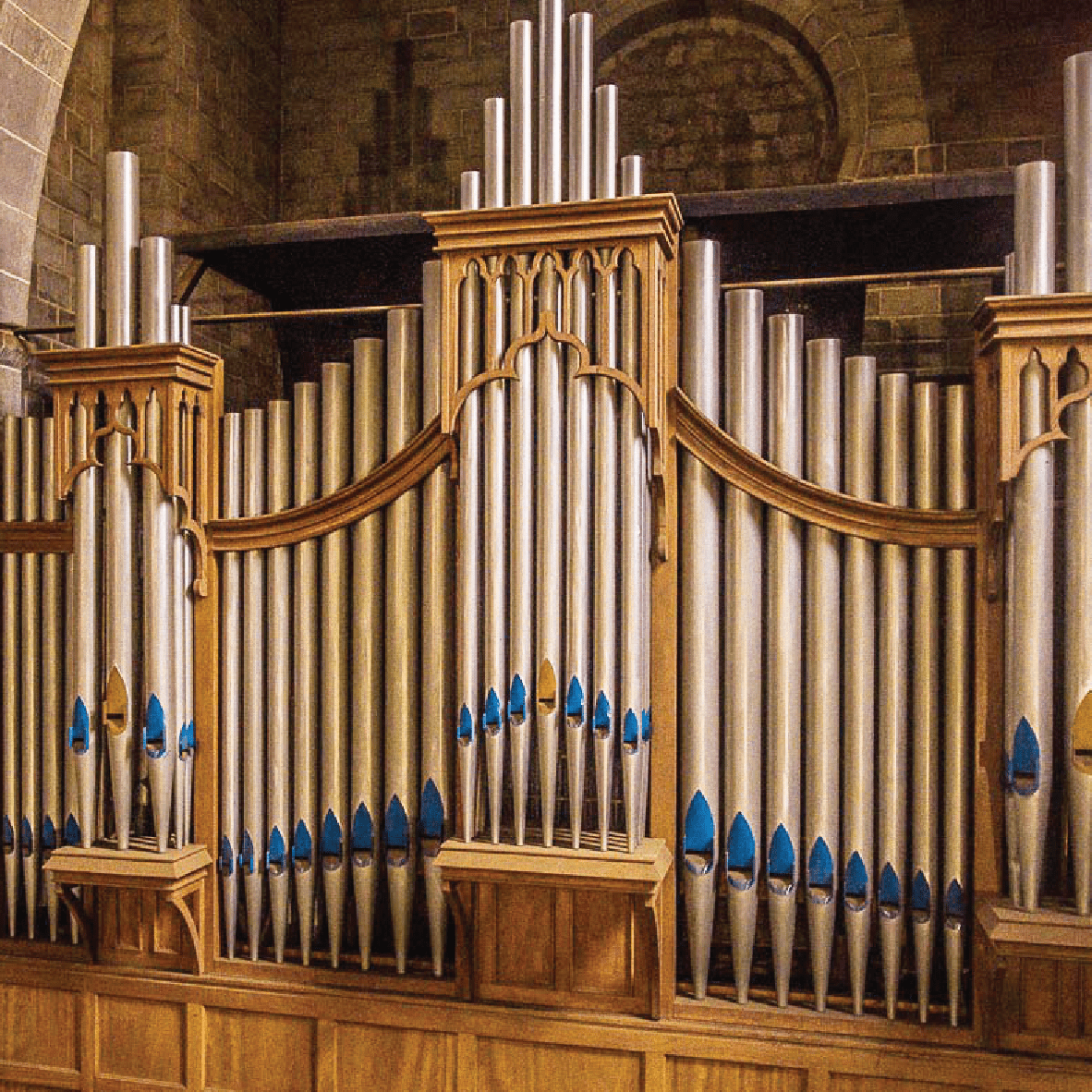
THE ORGAN
The Voice of All Saints’ Cathedral, Nairobi
Few things are as closely associated with the musical heritage of All Saints’ Cathedral, Nairobi, as its pipe organ. For generations, choristers, congregants, and visitors alike have regarded the organ as one of the defining features of worship at the Cathedral, lending a depth, majesty, and beauty that enrich every service.
The organ is among the oldest musical instruments in existence, with origins dating back to the third century. It is a remarkable instrument, both in appearance and design. Wind is directed through carefully crafted pipes, causing the air within them to vibrate and produce sound. While the organist performs from a console equipped with multiple keyboards and pedals, the music itself emerges from rows of pipes positioned above a structure known as the wind chest.
Pipe organs vary greatly in size. Some contain only a handful of pipes, while others have many thousands. The smallest pipes may be no larger than a pencil, while the largest can tower over ten metres high. The organ at All Saints’ Cathedral comprises 1,892 pipes. Though impressive, it is modest compared to some of the world’s largest instruments, such as the famed Mormon Tabernacle Organ, which contains over 11,000 pipes.
What makes the pipe organ truly extraordinary is its versatility. It can produce sounds of remarkable gentleness, resembling a flute or a soft whisper, and moments later fill a vast space with brilliant, trumpet-like grandeur. Its range of expression is almost limitless. Those privileged to hear Atigala Luvai (LRSM) perform hymns such as How Great Thou Art on this instrument witnessed not only technical mastery but also the organ’s unique ability to inspire awe and devotion.
Playing the pipe organ is no simple task. Both hands and both feet are constantly engaged, navigating keyboards, pedals, and stops simultaneously. Mastering the instrument requires dedication, discipline, and countless hours of practice.
Like any treasured instrument, a pipe organ requires careful maintenance. Regular cleaning and precise tuning ensure that each pipe continues to speak with clarity and accuracy. The Cathedral’s organ, installed in 1934, has faithfully served worshippers for decades. Yet after many years of service, it became clear that a major restoration was needed.
That restoration, undertaken between 2021 and 2023, breathed new life into the instrument. Anticipation was high as the work neared completion, and the result exceeded expectations. Restored to its full splendour, the organ once again fills the Cathedral with rich, resonant tones. Its voice can move effortlessly from the gentlest whisper to a triumphant proclamation, stirring both heart and soul while enhancing the worship experience for all who enter the sanctuary.
The restoration also brought significant improvements to the console. The former Walker stop-key system was replaced with traditional draw stops, giving organists greater flexibility to create and recall their own unique tonal combinations. The result is an instrument capable of producing exceptionally clear, full-bodied, and nuanced sounds—qualities that continue to captivate seasoned musicians and first-time listeners alike.
Questions about an organ’s age, cost, model, or builder are certainly interesting. Yet such details tell only part of the story. The true value of an organ cannot be measured in monetary terms. It lies in the countless hymns it has accompanied, the prayers it has supported, the celebrations it has elevated, and the generations of worshippers it has inspired.
Today, the organ of All Saints’ Cathedral remains far more than an instrument. It is a living voice of worship, a guardian of musical heritage, and a powerful reminder that music, when offered in service to God, has the ability to uplift hearts, unite congregations, and draw people closer to the divine for generations to come.
______
PHOTO CREDIT: Pau Shinski | www.facebook.com/pau.shinski
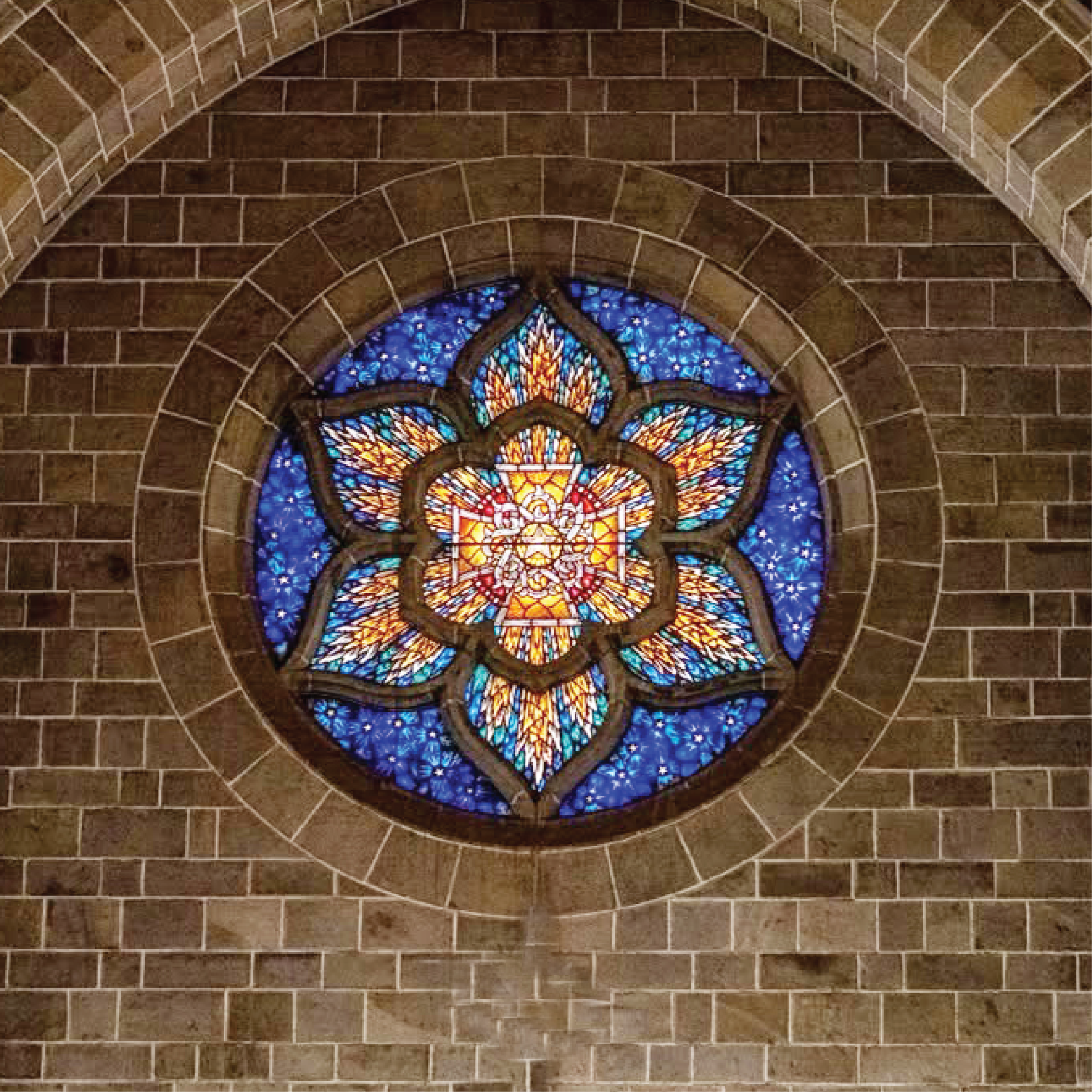
THE ROSE WINDOW
Among the many beautiful features of All Saints’ Cathedral, Nairobi, is the Rose Window—a striking work of art that quietly proclaims the Christian message through colour, light, and symbolism.
Rose windows, sometimes called wheel windows, are circular decorative windows, often crafted from stained glass. Traditionally found in churches and cathedrals around the world, they are usually dedicated to a particular Christian theme or belief. More than architectural features, rose windows tell stories. Through their designs, colours, and symbols, they communicate profound truths of faith in ways that transcend words.
Some of the world’s most celebrated churches are renowned for their magnificent rose windows. The great cathedrals of Europe, including the famous cathedrals of France, have inspired generations with these masterpieces of sacred art. Each rose window carries its own unique message, inviting worshippers to reflect on the mysteries and promises of the Christian faith.
At All Saints’ Cathedral, Nairobi, the Rose Window is positioned above the Cross, drawing the eye upward and directing the heart toward its message. Its stone tracery was skillfully crafted by African artisans, adding a distinctive local touch to a timeless Christian tradition.
At the centre of the window shines the Star of Bethlehem, symbolising the light that guided seekers to Christ. Surrounding it are the Crown of Thorns and the Cross, powerful reminders of Christ’s sacrifice and redeeming love. From the Cross radiates the light of the Resurrection across the deep blue of the midnight sky. Scattered throughout the design are stars which, like the saints of every age, reflect the light of Christ into a world often marked by darkness.
In daylight, the Rose Window may appear understated, its beauty easy to overlook amid the grandeur of the Cathedral. Yet when sunlight streams through the glass, or when it is illuminated from within, the window comes alive. Colours glow, symbols emerge with renewed clarity, and the entire composition is transformed into a radiant display of faith and hope.
The Rose Window reminds us that the Christian life is much the same. At times, God’s work may seem hidden or ordinary. Yet when touched by His light, beauty, purpose, and grace are revealed in remarkable ways. As worshippers gather beneath it, the Rose Window continues to tell its timeless story—of Christ’s light shining in the darkness, and of a hope that continues to illuminate hearts across generations.
______
PHOTO CREDIT: Pau Shinski | www.facebook.com/pau.shinski